• Order within –h –m
  • Free shipping on orders over $250
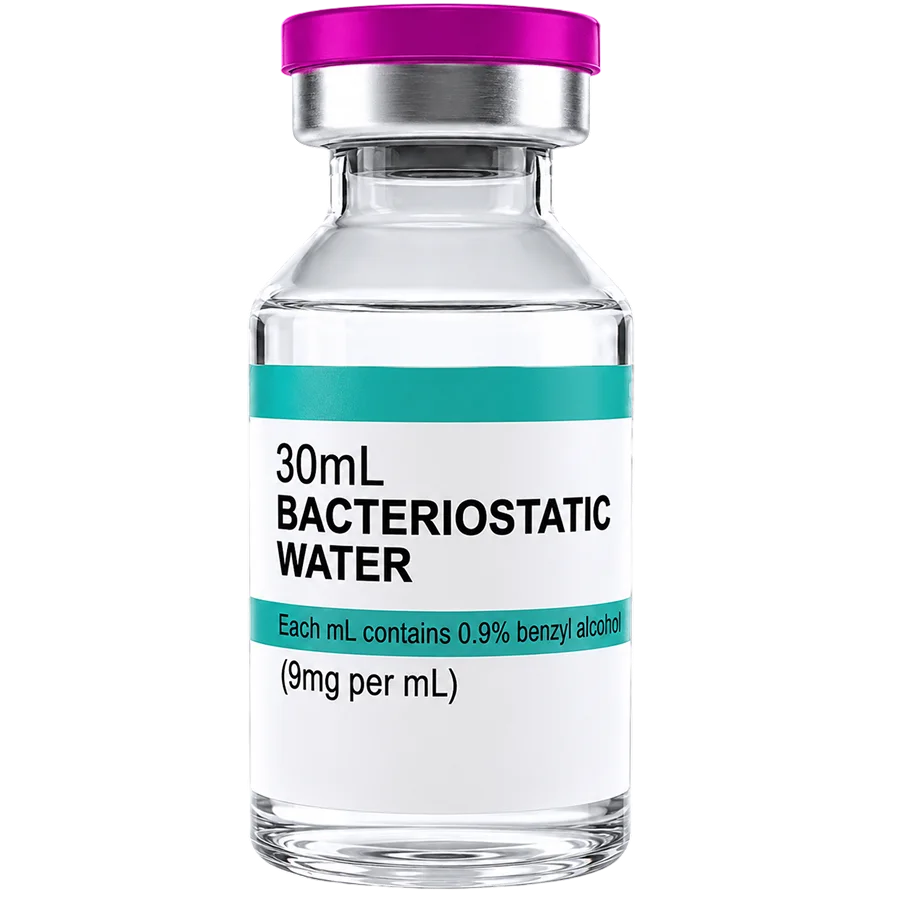
  • Free Bacteriostatic Water 30ml with $500+ purchase
  • Every batch tested by an independent lab

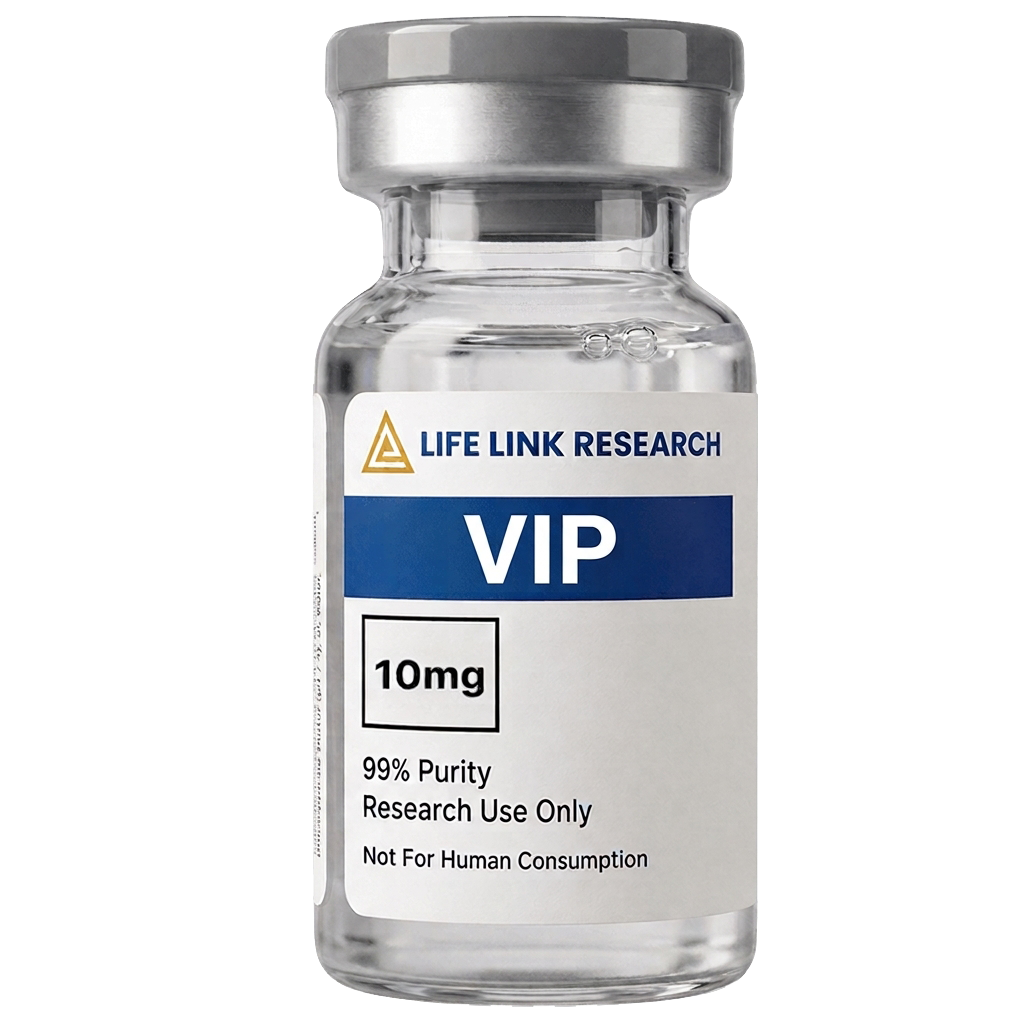
VIP 10mg

$72.00

The VIP Peptide (Vasoactive Intestinal Peptide) is a naturally occurring neuropeptide with broad physiological relevance. It interacts with specific G protein-coupled receptors to regulate multiple systems, including immune modulation, vasodilation, and gastrointestinal function. This peptide is commonly studied for its potential role in supporting homeostasis, cellular signaling, and overall systemic balance.

17 in stock

In Stock

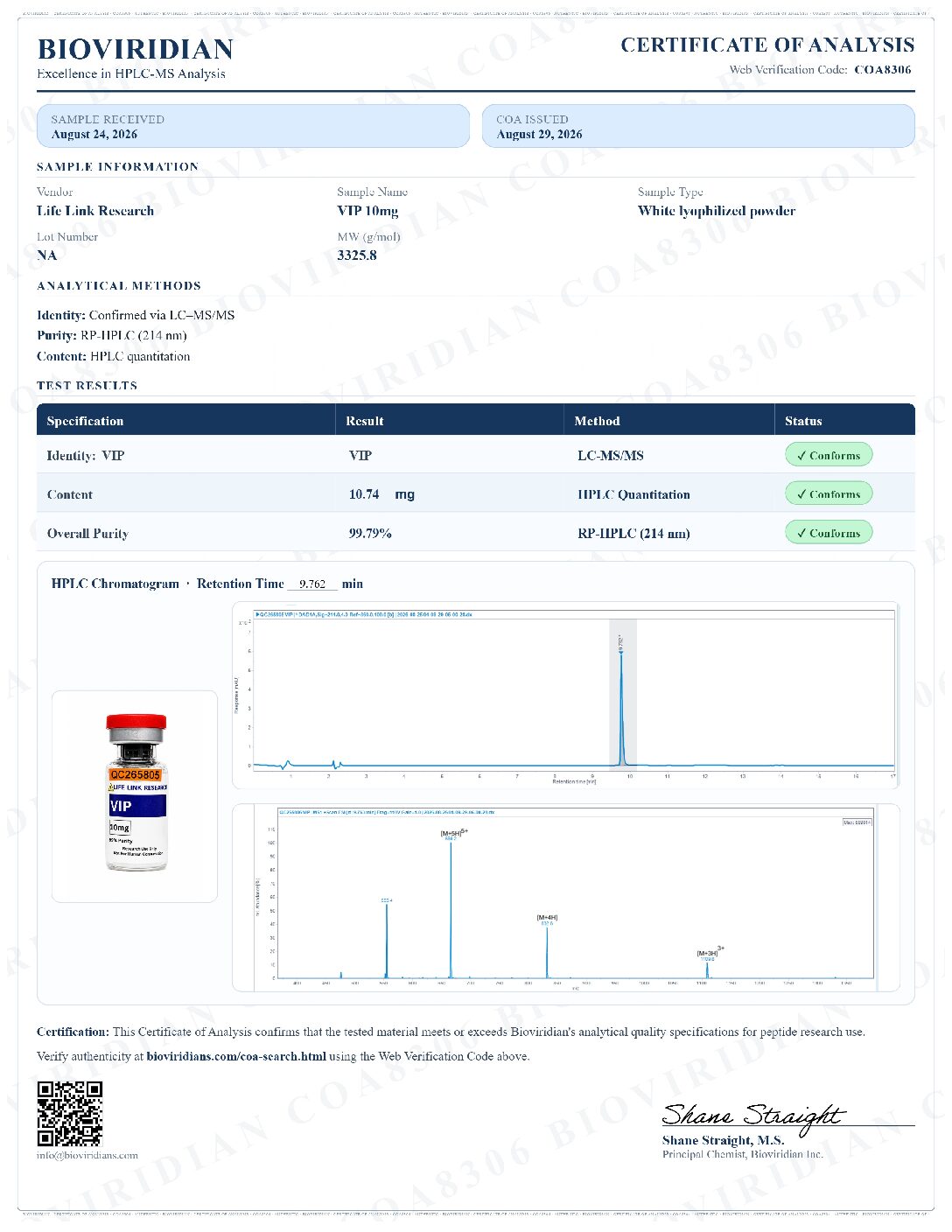
COA verified · View report

Purchase & earn 72 points.
Quantity pricingSave up to 20%
QuantityPrice / vialSavingsAdd
1 vial$72.00–
3 vials$68.40Save 5%
5 vials$64.80Save 10%
10 vials Best value$57.60Save 20%

Purity Guarantee: Every vial is backed by independent third-party domestic lab and Janoshik analytical verification.

  • Third-Party TestedIdentity + purity, every batch. Secondary testing on rotation.
  • Janoshik Analytical3rd party domestic labs verified
  • Same-Day ShippingOrder by 2 PM PST, ships today
  • Ships from California2 Day UPS Air. Free shipping over $250

Research use only. Not for human consumption. Sold to qualified researchers.

Accepted:
  • Visa
  • Mastercard
  • Amex
  • Discover
  • Apple Pay
  • Zelle
  • ACH
  • Bitcoin, 10% off
Category:

Description

VIP Peptide (Vasoactive Intestinal Peptide) Research Topics:

  • Receptor signaling:

    VIP is studied in laboratory experiments involving VPAC1 and VPAC2 receptors.

  • Immune Regulation:

    Research suggests VIP exerts immunomodulatory effects by regulating cytokine production and inhibiting pro-inflammatory pathways. [2]

  • Gastrointestinal Function:

    VIP is involved in regulating smooth muscle activity, secretion, and motility in the gastrointestinal tract. Its role in maintaining gut homeostasis and integrity has been of significant interest in clinical and preclinical studies. [1]

Reference Citation:

  1. Delgado et al., 2002 – VIP prevents dopaminergic neurodegeneration by inhibiting microglial activation Neurobiology of Disease, 11(2), 127-135. PMID: 12626429
  2. Delgado, M., et al. (1999). “Vasoactive intestinal peptide and pituitary adenylate cyclase-activating polypeptide prevent inducible nitric oxide synthase transcription in macrophages by inhibiting NF-kappa B and IFN regulatory factor 1 activation.” Journal of Immunology, 162(8), 4685-4696. PubMed
Reviews

There are no reviews yet.

Be the first to review “VIP 10mg”

Your email address will not be published. Required fields are marked *

Published research

Selected literature

Peer-reviewed studies that describe the research context for this compound. Listed for reference, not as a claim about use.

  • Receptor signalingVIP is studied in laboratory experiments involving VPAC1 and VPAC2 receptors.PubMed 12626429
  • Immune RegulationResearch suggests VIP exerts immunomodulatory effects by regulating cytokine production and inhibiting pro-inflammatory pathways.PubMed 10202009
  • Gastrointestinal FunctionVIP is involved in regulating smooth muscle activity, secretion, and motility in the gastrointestinal tract. Its role in maintaining gut homeostasis and integrity has been of significant interest in clinical and preclinical studies.PubMed 12626429
  • Cardiovascular RegulationVIP has significant cardiovascular effects, including positive inotropic action on cardiac muscle, regulation of coronary blood flow, and modulation of heart rate.PubMed 11121793
  • Respiratory and Pulmonary FunctionVIP is an abundant neurotransmitter in the lungs, and research has explored its involvement in pulmonary conditions such as pulmonary arterial hypertension, chronic obstructive pulmonary disease, asthma, cystic fibrosis, and acute lung injury. It is known for its bronchodilatory and vasodilatory actions in the airway.PubMed 37742737
  • Circadian Rhythm RegulationVIP has emerged as a key candidate molecule mediating the synchronization of rhythms in clock gene expression within the suprachiasmatic nucleus (SCN), the brain's central circadian pacemaker, and plays a critical role in the neural circuit generating circadian rhythms.PubMed 21628547

Related products