
A lot of the 2026 peptide news comes down to four characters: 503A. If you’ve seen headlines about the FDA “adding peptides to the compounding list,” this is the list they mean. Here is a plain-English explanation and why the July 2026 vote matters. (General information, not legal advice.)
What is the 503A bulk list?
Section 503A of the Federal Food, Drug, and Cosmetic Act governs traditional pharmacy compounding — when a licensed pharmacist or physician prepares a medication for an individual patient. To compound with a bulk drug substance, that substance generally must meet one of three conditions: it is a component of an FDA-approved drug, it has a USP or NF monograph, or it appears on the FDA’s 503A bulk substances list. The list is, in effect, a gateway for substances that do not otherwise qualify.
Why it matters for peptides
Most research peptides have no USP monograph and are not part of an approved drug — so the 503A list is effectively the only formal compounding pathway open to them. That is why the July 2026 vote to recommend BPC-157 and KPV for the list drew so much attention: it is the first time a US body has moved to formally recognize these compounds for compounding.
What it does not mean
Being recommended for — or even added to — the 503A list does not make a peptide an FDA-approved drug, and it does not authorize retail sale or general human use. It concerns compounding pharmacies specifically. Research-use-only materials, like those in our catalog, remain intended for laboratory research only. For peptide-by-peptide status, see the July review roundup.
Research use only. Peptides referenced are for in-vitro laboratory research only, not for human or veterinary use, diagnosis, treatment, or consumption. This is regulatory and general information, not legal, medical, or purchasing advice.
Sources: FDA Pharmacy Compounding Advisory Committee meeting, July 23–24, 2026; RAPS and Drug Topics coverage; STAT, NPR, and Time reporting.
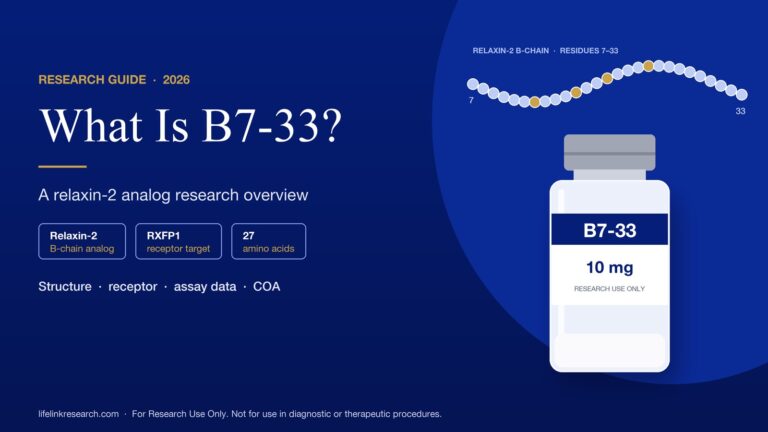
What Is B7-33? Relaxin-2 Analog Research Overview (2026)
Quick Answer B7-33 is a synthetic single-chain peptide built from part of the B chain of human relaxin-2, and it binds the…
Read article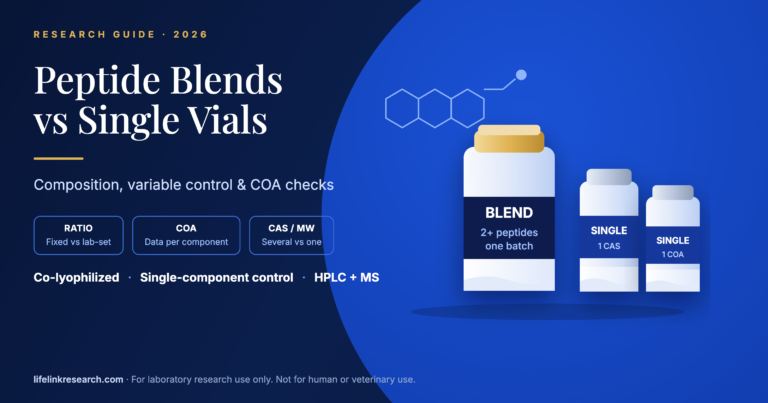
Peptide Blends vs Single Vials: How to Choose for Research (2026)
For Research Use Only. Not for use in diagnostic or therapeutic procedures. Choosing between peptide blends vs single peptides comes down to…
Read article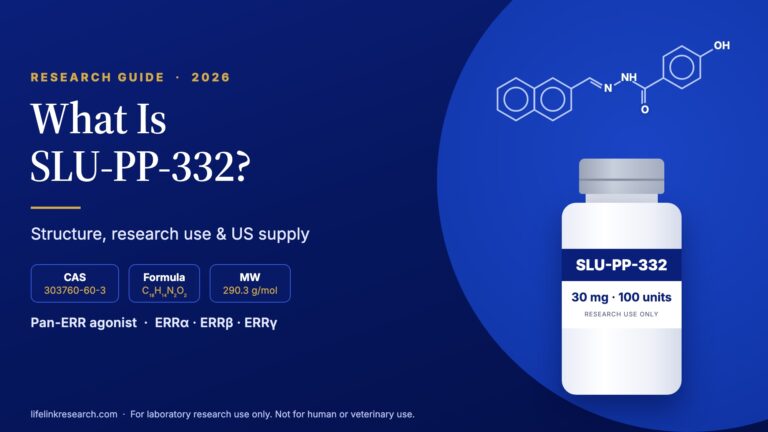
What Is SLU-PP-332? Structure, Research Use & US Supply
Quick Answer SLU-PP-332 is a synthetic small-molecule agonist of the estrogen-related receptors ERRŒ±, ERRŒ≤ and ERRŒ≥ (CAS 303760-60-3, PubChem CID 5338394). It…
Read articleResearch-grade peptides
99%+ purity. Verified every batch.
Identity and purity tested on every batch by third-party labs, Janoshik Analytical and US-based laboratories. Shipped same day from California.
Shop all peptides