
On July 23–24, 2026, the FDA’s Pharmacy Compounding Advisory Committee (PCAC) reviewed seven peptides that have spent years in a regulatory gray zone. In the most-watched vote of the meeting, the committee voted 8–6, with one abstention, to recommend that BPC-157 and KPV be added to the 503A bulk drug compounding list — notably, over the objection of the FDA’s own staff reviewers, who had recommended against adding any of the seven.
The headlines have been fast and loose — plenty of them read “FDA approves peptides.” That is not what happened, and the difference matters. Here is a clear, accurate breakdown of the vote, what it changes, and what it does not.
What the committee actually voted on
The PCAC is an advisory committee. It does not approve drugs and it does not write regulations. Its job is to give the FDA a recommendation on whether a bulk substance should be eligible for compounding under Section 503A of the Federal Food, Drug, and Cosmetic Act. Three things follow from that:
- This was a recommendation, not an approval. The committee’s votes are non-binding. The FDA has said it will not issue a final determination until it reviews the committee’s input — though historically the agency follows PCAC recommendations more often than not.
- It is about pharmacy compounding, not retail or research sales. The 503A list governs what licensed compounding pharmacies and physicians can prepare for individual patients. It does not turn any peptide into an FDA-approved drug you can buy off a shelf.
- The FDA staff disagreed with the panel. Agency reviewers argued against all seven substances, citing gaps in characterization, effectiveness, and safety data. The committee’s majority voted the other way on two of them.
The seven peptides on the table
The July meeting split the review across two days:
- July 23 — BPC-157, KPV, TB-500, MOTS-c
- July 24 — DSIP (emideltide), Epitalon, Semax
Of those, only BPC-157 (discussed in the context of ulcerative colitis) and KPV (wound and inflammatory conditions) received favorable votes for the compounding list. The remaining five did not clear the committee in July. The FDA has signaled that additional peptides are queued for review before February 2027, so this is the first chapter of a longer process, not the end of it.
Why this is a big deal anyway
Even as a non-binding recommendation, this is the furthest a US regulatory body has moved toward formally recognizing peptides like BPC-157. For years these compounds have lived almost entirely in the research and gray markets. A PCAC recommendation — arriving amid a broader push from HHS leadership to expand access — signals real regulatory momentum and near-certain continued scrutiny of the category.
It also sharpens a distinction the industry has largely blurred: the gap between well-characterized, properly tested material and everything else. The FDA staff’s central objection was not philosophical — it was about data: identity, purity, and consistency. That is precisely the axis on which serious research material is defined.
What it does not mean
- It does not make BPC-157, KPV, or any reviewed peptide an FDA-approved drug.
- It does not authorize these peptides for human use, self-administration, or treatment of any condition.
- It does not change the status of research-use-only materials, which remain intended for laboratory research only.
Life Link Research supplies peptides strictly for research use only. Nothing in this vote alters that, and nothing here should be read as a health, treatment, or purchasing recommendation.
What it means for research buyers
If the regulatory takeaway from July is that characterization and purity are the whole ballgame, then the practical takeaway for anyone sourcing research peptides is the same. The questions worth asking a supplier are the ones the FDA reviewers asked:
- Is every batch tested by a third party? Independent HPLC and mass-spec confirmation of identity and purity — not a generic certificate.
- Can you see the COA for the exact lot you receive? Batch-level documentation, not a marketing PDF.
- Is purity, sterility, and endotoxin data actually reported?
Several of the peptides in the FDA’s review are ones researchers already work with. To see how batch-level, third-party-tested material is documented, browse the full research catalog or read background in our research library.
Frequently asked questions
Did the FDA approve BPC-157 in 2026?
No. An FDA advisory committee (PCAC) voted on July 23, 2026 to recommend that BPC-157 be added to the 503A bulk compounding list. That is a non-binding recommendation, not an approval, and the FDA has not issued a final decision. BPC-157 is not an FDA-approved drug.
Which peptides did the FDA panel recommend?
Of the seven reviewed on July 23–24, 2026, the committee gave favorable votes to two: BPC-157 and KPV. TB-500, MOTS-c, DSIP (emideltide), Epitalon, and Semax did not receive favorable recommendations in July.
What is the 503A bulk compounding list?
It is the list of bulk drug substances that licensed pharmacies and physicians may legally use to compound medications for individual patients when the substance is not otherwise FDA-approved and lacks a USP monograph. Being added to it concerns compounding pharmacies — it does not make a substance a marketed, approved drug.
Can I buy these peptides for personal use now?
No. This vote does not authorize retail sale or human use of any reviewed peptide. Research-use-only materials remain intended for laboratory research only.
Research use only. The peptides referenced here are intended solely for in-vitro laboratory research and are not for human or veterinary use, diagnosis, treatment, or consumption. This article is regulatory news and general information, not medical, legal, or purchasing advice.
Sources: FDA Pharmacy Compounding Advisory Committee meeting, July 23–24, 2026; RAPS and Drug Topics coverage of the PCAC vote; STAT, NPR, and Time reporting.
Related reading
- What Is KPV? Peptide Research Guide (2026 FDA Update)
- What Is the FDA 503A List? Peptide Compounding Explained
- TB-500 & MOTS-c: FDA Status After the July 2026 Review
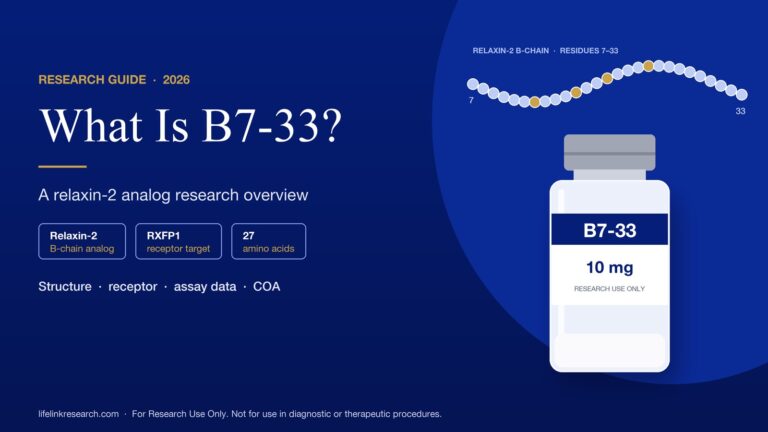
What Is B7-33? Relaxin-2 Analog Research Overview (2026)
Quick Answer B7-33 is a synthetic single-chain peptide built from part of the B chain of human relaxin-2, and it binds the…
Read article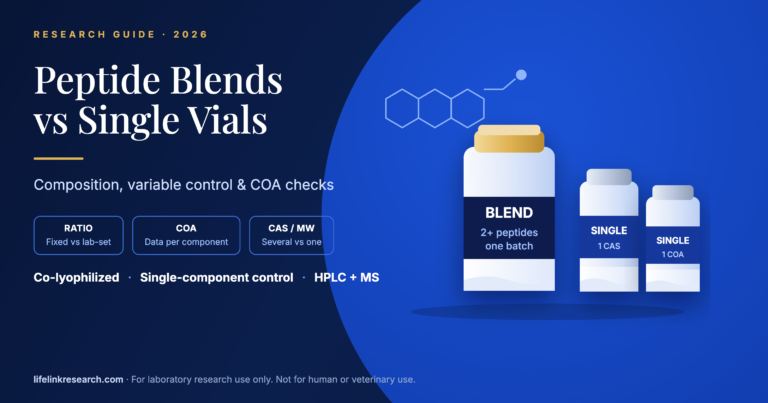
Peptide Blends vs Single Vials: How to Choose for Research (2026)
For Research Use Only. Not for use in diagnostic or therapeutic procedures. Choosing between peptide blends vs single peptides comes down to…
Read article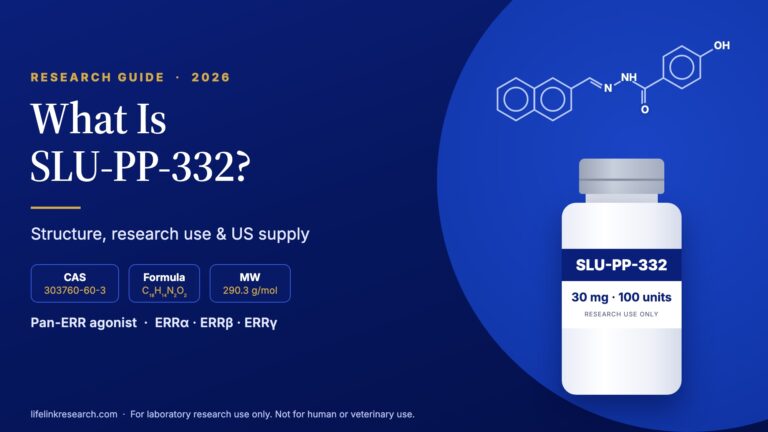
What Is SLU-PP-332? Structure, Research Use & US Supply
Quick Answer SLU-PP-332 is a synthetic small-molecule agonist of the estrogen-related receptors ERRŒ±, ERRŒ≤ and ERRŒ≥ (CAS 303760-60-3, PubChem CID 5338394). It…
Read articleResearch-grade peptides
99%+ purity. Verified every batch.
Identity and purity tested on every batch by third-party labs, Janoshik Analytical and US-based laboratories. Shipped same day from California.
Shop all peptides