
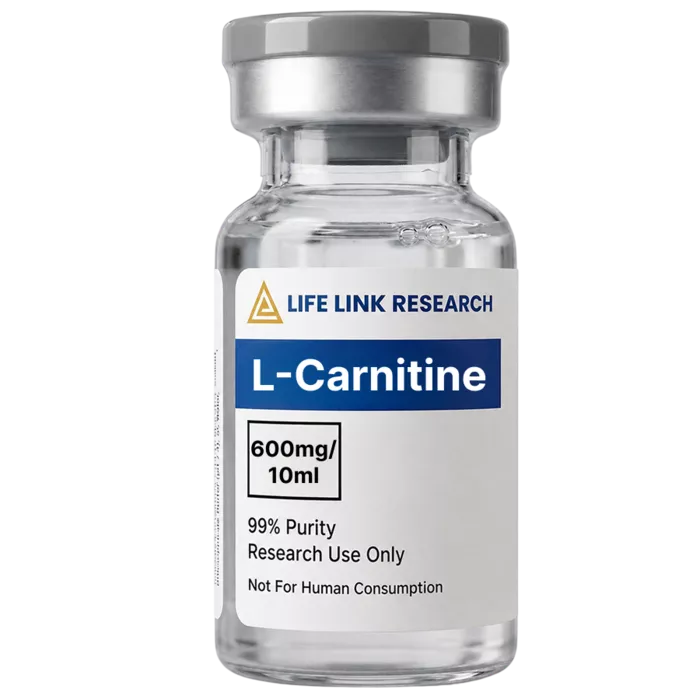
For Research Use Only. Not for Human Consumption. Not for use in diagnostic or therapeutic procedures. This product has not been evaluated by the FDA for safety or efficacy. Sold for laboratory research purposes only.
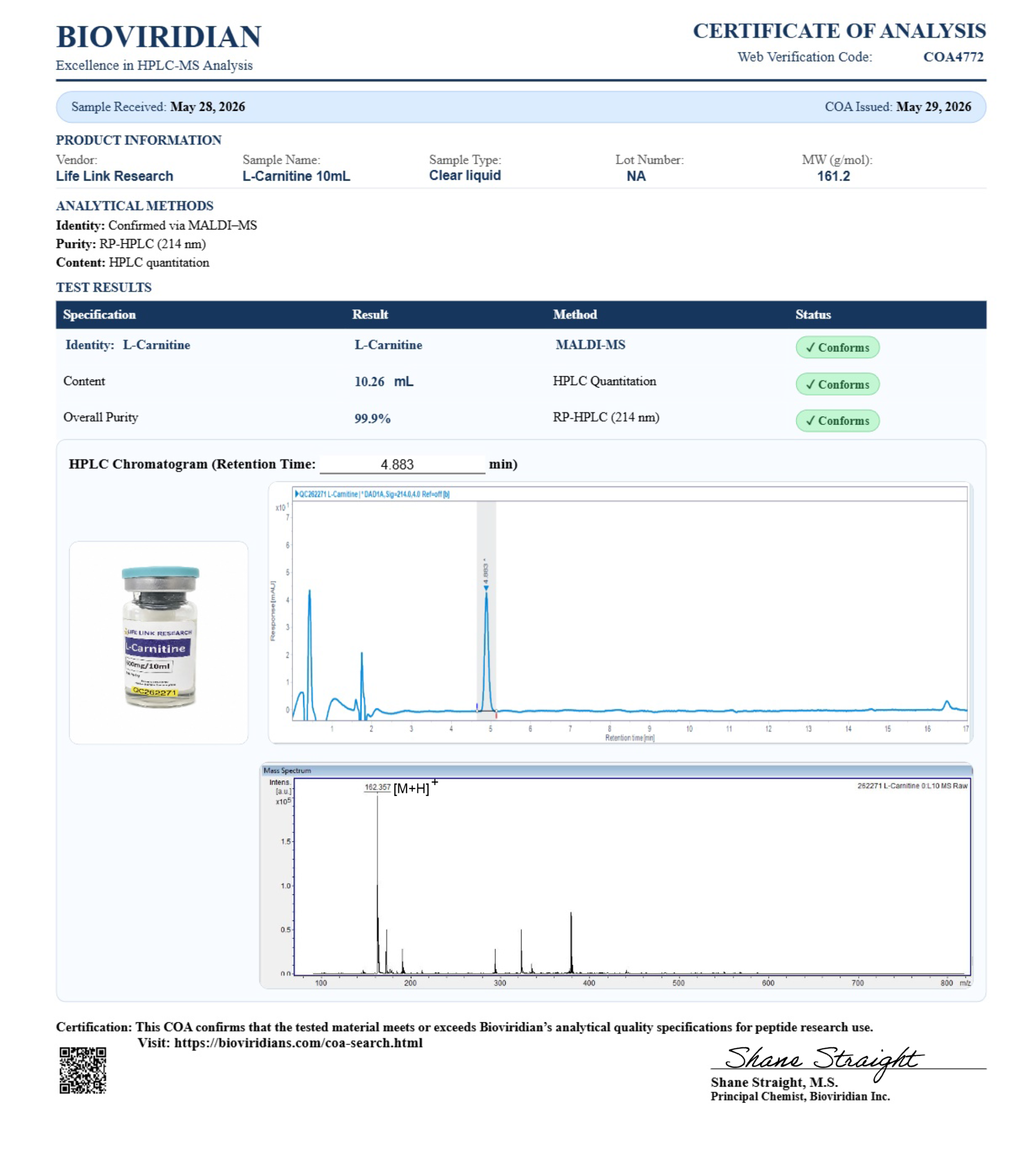
CAS: 541-15-1 · MW: 161.20 Da · Purity: ≥99% by reverse-phase HPLC · Format: 600 mg powder · Identity: ESI-MS confirmed · Optical rotation: [α]D²⁰ = -29.5° to -32.0°
L-Carnitine is a quaternary ammonium compound with the molecular formula C₇H₁₅NO₃ and the IUPAC name (3R)-3-hydroxy-4-(trimethylazaniumyl)butanoate, presented as an internal zwitterion in its free form. This research-grade L-carnitine is supplied as a 600 mg crystalline powder at ≥99% purity by reverse-phase HPLC, with third-party analytical verification of identity, purity, and optical rotation for every manufactured lot.
For laboratory research use only. Not for human consumption, veterinary use, food, or therapeutic use. Not a drug, supplement, or cosmetic. Sold exclusively to qualified research professionals and institutions.
L-Carnitine has been characterized in the biochemical literature as the biologically active stereoisomer of the carnitine zwitterion pair, with the (R)-configuration at the C-3 hydroxyl center [1]. The molecule is endogenously biosynthesized from L-lysine and L-methionine in mammalian liver and kidney tissue, and serves as the obligate cofactor for the carnitine palmitoyltransferase (CPT) shuttle system that transports long-chain fatty acyl groups across the inner mitochondrial membrane [1,2]. The molecular weight is 161.20 Da. L-Carnitine exists as a stable internal zwitterion at physiological pH, with the quaternary trimethylammonium cation balanced by the carboxylate anion. The D-enantiomer is biologically inactive and is not present in this material.
L-Carnitine is one of the most extensively characterized cofactors in mitochondrial bioenergetics and serves as a standard reference reagent across multiple research domains. Published research contexts include:
These references describe findings in non-human in vitro, animal-model, or chemistry research contexts. They do not constitute claims about effects in humans and are not intended to characterize the molecule’s approved therapeutic indications.
| Attribute | Value |
|---|---|
| Chemical name | (3R)-3-hydroxy-4-(trimethylazaniumyl)butanoate |
| Synonyms | L-Carnitine, (R)-Carnitine, levocarnitine, vitamin BT |
| CAS Number | 541-15-1 |
| Molecular Formula | C₇H₁₅NO₃ |
| Molecular Weight | 161.20 Da |
| Purity | ≥99% by reverse-phase HPLC |
| Identity | ESI mass spectrometry |
| Optical rotation | [α]D²⁰ = -29.5° to -32.0° (c=10 in water) |
| Enantiomeric excess | ≥99.5% (R)-enantiomer by chiral HPLC |
| Loss on drying | ≤0.5% |
| Residue on ignition | ≤0.1% |
| Heavy metals | ≤10 ppm |
| Format | 600 mg crystalline powder, amber screw-cap vial |
| Appearance | White to off-white hygroscopic crystalline powder |
| Solubility (lab context) | Highly soluble in water (>250 mg/mL at 20°C); soluble in methanol and ethanol; insoluble in acetone and chloroform |
| Hygroscopicity | Hygroscopic — protect from atmospheric moisture |
L-Carnitine is hygroscopic and must be protected from atmospheric moisture during storage and handling. Crystalline material is stable at 2–8°C for 24 months in tightly closed containers under desiccant; long-term storage at -20°C under inert atmosphere is preferred for analytical reference use. Once dissolved in aqueous laboratory buffer, solutions should be aliquoted into low-binding tubes and stored at -20°C; the zwitterion is chemically stable in solution at neutral pH but can undergo lactonization under acidic conditions. Handle under standard laboratory aseptic technique with PPE per institutional biosafety guidelines.
Every manufactured lot is accompanied by batch-specific analytical documentation including: third-party reverse-phase HPLC chromatogram, ESI-MS deconvoluted mass spectrum, chiral HPLC confirming ≥99.5% enantiomeric excess of the (R)-isomer, polarimetric specific rotation measurement, residual moisture (loss on drying), residue on ignition, and heavy-metals quantification. Reference standards are maintained at -20°C and cross-validated against pharmacopeial reference preparations. Manufacturing occurs in ISO 9001-certified facilities under documented quality-management procedures.
This material is supplied exclusively to qualified research professionals, academic laboratories, contract research organizations, and institutional purchasing departments. Proof of institutional affiliation may be required.
For laboratory research use only. Not for human consumption, veterinary use, food, or therapeutic use. Not a drug, supplement, or cosmetic.
L-Carnitine is a quaternary ammonium zwitterion with the chemical name (3R)-3-hydroxy-4-(trimethylazaniumyl)butanoate. CAS 541-15-1. Molecular weight 161.20 Da. It is the biologically active (R)-stereoisomer of the carnitine pair, endogenously biosynthesized in mammals from L-lysine and L-methionine.
The two are stereoisomers differing in configuration at the C-3 hydroxyl center. L-Carnitine (the R-isomer) is the biologically active form recognized by the carnitine palmitoyltransferase shuttle system. D-Carnitine (the S-isomer) is biologically inactive and is not present in this material (≥99.5% enantiomeric excess confirmed by chiral HPLC).
161.20 Da. Molecular formula C₇H₁₅NO₃.
541-15-1.
≥99% by reverse-phase HPLC, with ≥99.5% enantiomeric excess of the (R)-isomer confirmed by chiral HPLC. Each manufactured lot is third-party analyzed with documentation of HPLC purity, ESI-MS identity, chiral purity, optical rotation, residual moisture, and heavy metals.
L-Carnitine is hygroscopic and must be protected from atmospheric moisture. Crystalline material is stable at 2–8°C for 24 months in tightly closed containers under desiccant. For analytical reference use, long-term storage at -20°C under inert atmosphere is preferred. Once dissolved in laboratory buffer, aliquot and store at -20°C.
L-Carnitine is highly water-soluble (>250 mg/mL at 20°C) and also dissolves readily in methanol and ethanol. Researchers typically reconstitute in sterile water, PBS, or assay buffer for in vitro experimental work, following standard aseptic technique. Avoid prolonged exposure to acidic conditions to prevent lactonization.
L-Carnitine has been referenced in the peer-reviewed literature as a defined substrate in mitochondrial β-oxidation research, as an analytical reference standard for acyl-carnitine MS/MS profiling, as the end product in carnitine biosynthesis pathway studies, and as a defined media supplement in cellular metabolism research. All published characterizations referenced here are in non-human in vitro or animal systems.
This material is supplied exclusively to qualified research professionals, academic laboratories, contract research organizations, and institutional purchasing departments. Proof of institutional affiliation may be required.
$66.00
25 in stock
 New
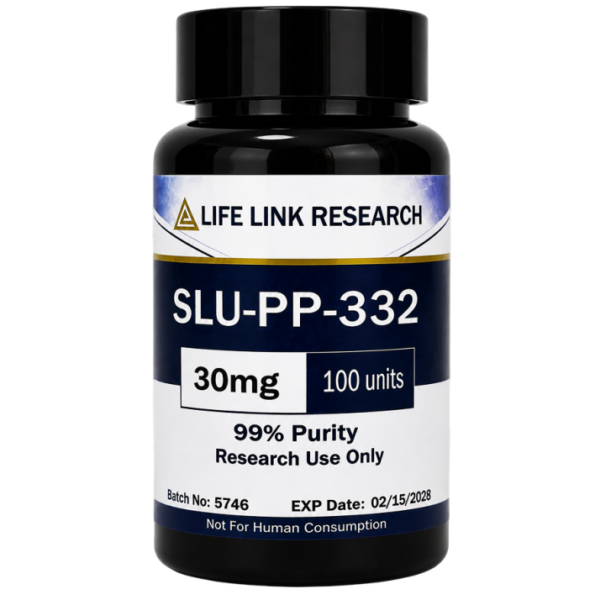
NewSLU-PP-332 30mg is a synthetic research compound studied in preclinical model...
$300.00Janoshik COA Available
Purchase & earn 300 points.Add to cart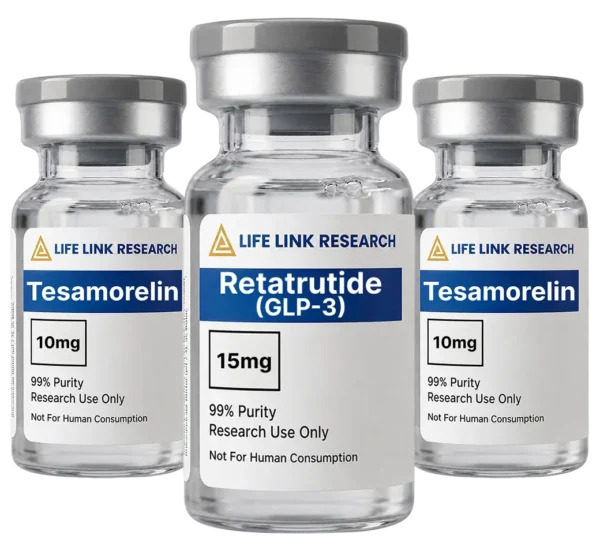
Retatrutide, a GLP-1/GIP/GCGR receptor agonist, significantly lowers blood gl...
Janoshik COA Available
Purchase & earn 475 points.Add to cart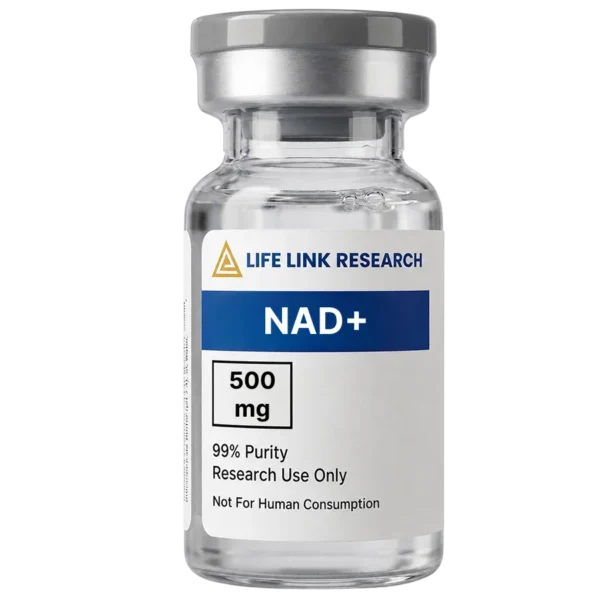
NAD+ (Nicotinamide Adenine Dinucleotide) is a coenzyme present in all living ...
$80.00Janoshik COA Available
Purchase & earn 80 points.Add to cart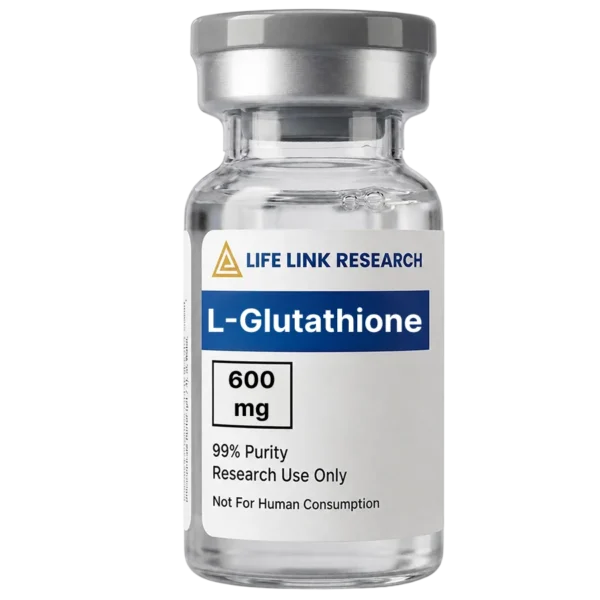
Glutathione (GSH) is a tripeptide composed of glutamine, cysteine, and glycin...
$65.00Janoshik COA Available
Purchase & earn 65 points.Add to cart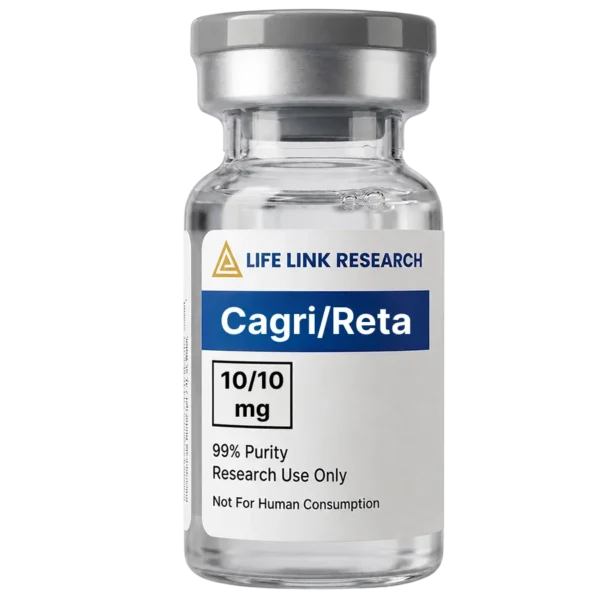 New
NewCagri/Reta 10/10mg is a dual synthetic peptide formulation combining Cagrilin...
$240.00Janoshik COA Available
Purchase & earn 240 points.Add to cart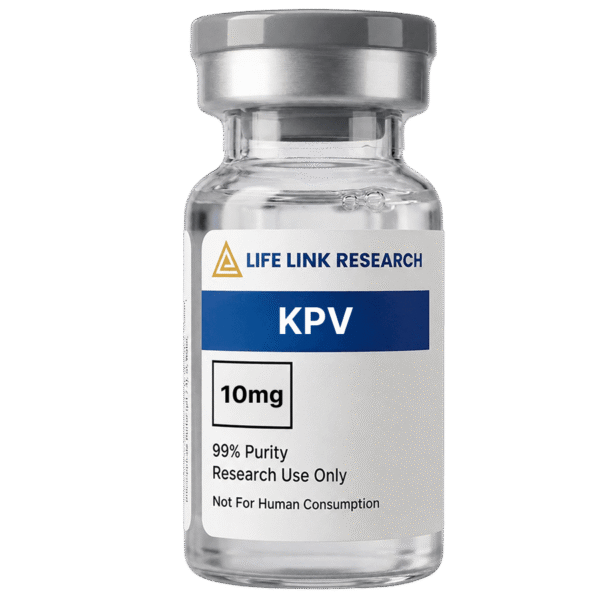
KPV (Lys-Pro-Val) is a tripeptide derived from the C-terminal sequence of alp...
$97.00Janoshik COA Available
Purchase & earn 97 points.Add to cart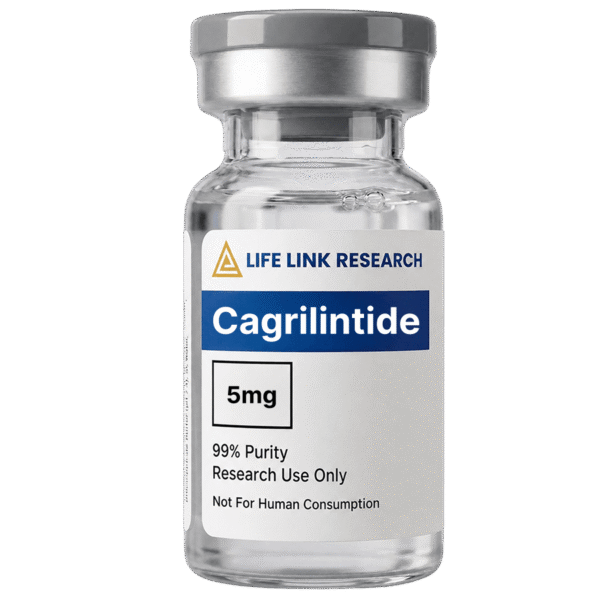
Cagrilintide 5mg is a synthetic long-acting amylin analogue research compound...
$159.00Janoshik COA Available
Purchase & earn 159 points.Add to cart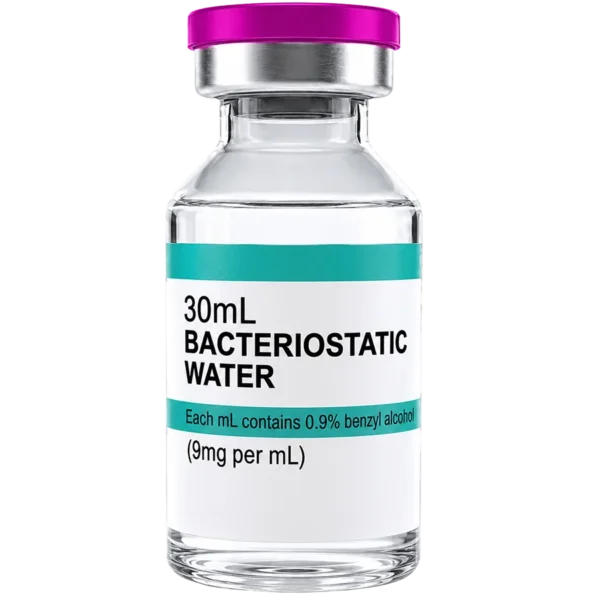
Bacteriostatic Water 30mL Bacteriostatic Water is a sterile aqueous solut...
$12.00Janoshik COA Available
Purchase & earn 12 points.Add to cart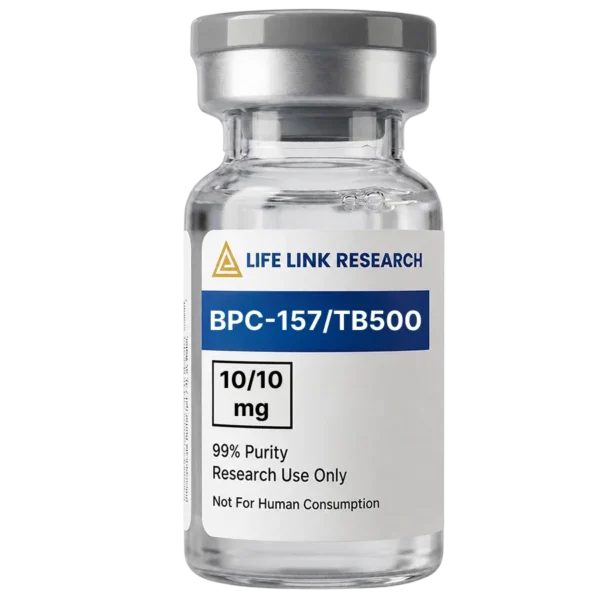
BPC-157 / TB-500 10mg/10mg is a dual synthetic peptide formulation studied in...
$160.00Janoshik COA Available
Purchase & earn 160 points.Add to cartNewCagri/Reta 10/10mg is a dual synthetic peptide formulation combining Cagrilin...
$240.00Janoshik COA Available
Purchase & earn 240 points.Add to cartGlutathione (GSH) is a tripeptide composed of glutamine, cysteine, and glycin...
$65.00Janoshik COA Available
Purchase & earn 65 points.Add to cart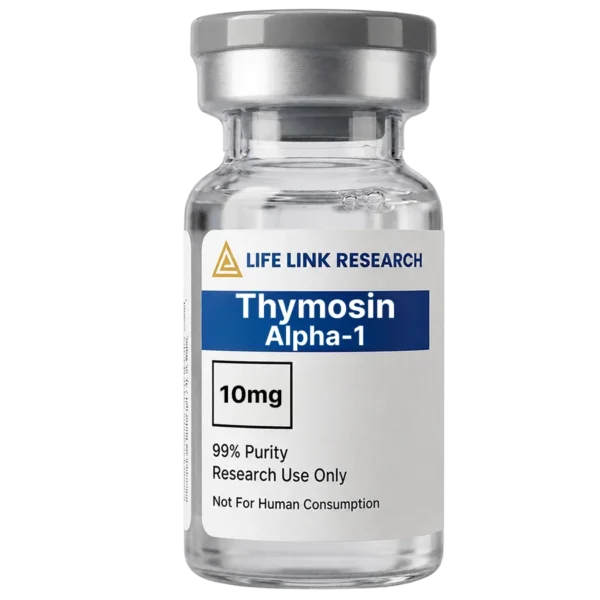
Thymosin Alpha-1 (Tα1) enhances immune function by stimulating T-cells, B-cel...
$116.00Janoshik COA Available
Purchase & earn 116 points.Add to cartAll Articles And Product Information Provided On This Website Are For Informational And Educational Purposes Only.
The products offered on this website are furnished for in-vitro studies only. In-vitro studies {Latin: in glass) are performed outside of the body. These products are not medicines or drugs and have not been approved by the FDA to prevent, treat or cure any medical condition, ailment or disease. Bodily introduction of any kind into humans or animals is strictly forbidden by law.
For Research Use Only. Not for Human Consumption. Not for use in diagnostic or therapeutic procedures. This product has not been evaluated by the FDA for safety or efficacy. Sold for laboratory research purposes only.
CAS: 541-15-1 · MW: 161.20 Da · Purity: ≥99% by reverse-phase HPLC · Format: 600 mg powder · Identity: ESI-MS confirmed · Optical rotation: [α]D²⁰ = -29.5° to -32.0°
L-Carnitine is a quaternary ammonium compound with the molecular formula C₇H₁₅NO₃ and the IUPAC name (3R)-3-hydroxy-4-(trimethylazaniumyl)butanoate, presented as an internal zwitterion in its free form. This research-grade L-carnitine is supplied as a 600 mg crystalline powder at ≥99% purity by reverse-phase HPLC, with third-party analytical verification of identity, purity, and optical rotation for every manufactured lot.
For laboratory research use only. Not for human consumption, veterinary use, food, or therapeutic use. Not a drug, supplement, or cosmetic. Sold exclusively to qualified research professionals and institutions.
L-Carnitine has been characterized in the biochemical literature as the biologically active stereoisomer of the carnitine zwitterion pair, with the (R)-configuration at the C-3 hydroxyl center [1]. The molecule is endogenously biosynthesized from L-lysine and L-methionine in mammalian liver and kidney tissue, and serves as the obligate cofactor for the carnitine palmitoyltransferase (CPT) shuttle system that transports long-chain fatty acyl groups across the inner mitochondrial membrane [1,2]. The molecular weight is 161.20 Da. L-Carnitine exists as a stable internal zwitterion at physiological pH, with the quaternary trimethylammonium cation balanced by the carboxylate anion. The D-enantiomer is biologically inactive and is not present in this material.
L-Carnitine is one of the most extensively characterized cofactors in mitochondrial bioenergetics and serves as a standard reference reagent across multiple research domains. Published research contexts include:
These references describe findings in non-human in vitro, animal-model, or chemistry research contexts. They do not constitute claims about effects in humans and are not intended to characterize the molecule’s approved therapeutic indications.
| Attribute | Value |
|---|---|
| Chemical name | (3R)-3-hydroxy-4-(trimethylazaniumyl)butanoate |
| Synonyms | L-Carnitine, (R)-Carnitine, levocarnitine, vitamin BT |
| CAS Number | 541-15-1 |
| Molecular Formula | C₇H₁₅NO₃ |
| Molecular Weight | 161.20 Da |
| Purity | ≥99% by reverse-phase HPLC |
| Identity | ESI mass spectrometry |
| Optical rotation | [α]D²⁰ = -29.5° to -32.0° (c=10 in water) |
| Enantiomeric excess | ≥99.5% (R)-enantiomer by chiral HPLC |
| Loss on drying | ≤0.5% |
| Residue on ignition | ≤0.1% |
| Heavy metals | ≤10 ppm |
| Format | 600 mg crystalline powder, amber screw-cap vial |
| Appearance | White to off-white hygroscopic crystalline powder |
| Solubility (lab context) | Highly soluble in water (>250 mg/mL at 20°C); soluble in methanol and ethanol; insoluble in acetone and chloroform |
| Hygroscopicity | Hygroscopic — protect from atmospheric moisture |
L-Carnitine is hygroscopic and must be protected from atmospheric moisture during storage and handling. Crystalline material is stable at 2–8°C for 24 months in tightly closed containers under desiccant; long-term storage at -20°C under inert atmosphere is preferred for analytical reference use. Once dissolved in aqueous laboratory buffer, solutions should be aliquoted into low-binding tubes and stored at -20°C; the zwitterion is chemically stable in solution at neutral pH but can undergo lactonization under acidic conditions. Handle under standard laboratory aseptic technique with PPE per institutional biosafety guidelines.
Every manufactured lot is accompanied by batch-specific analytical documentation including: third-party reverse-phase HPLC chromatogram, ESI-MS deconvoluted mass spectrum, chiral HPLC confirming ≥99.5% enantiomeric excess of the (R)-isomer, polarimetric specific rotation measurement, residual moisture (loss on drying), residue on ignition, and heavy-metals quantification. Reference standards are maintained at -20°C and cross-validated against pharmacopeial reference preparations. Manufacturing occurs in ISO 9001-certified facilities under documented quality-management procedures.
This material is supplied exclusively to qualified research professionals, academic laboratories, contract research organizations, and institutional purchasing departments. Proof of institutional affiliation may be required.
For laboratory research use only. Not for human consumption, veterinary use, food, or therapeutic use. Not a drug, supplement, or cosmetic.
L-Carnitine is a quaternary ammonium zwitterion with the chemical name (3R)-3-hydroxy-4-(trimethylazaniumyl)butanoate. CAS 541-15-1. Molecular weight 161.20 Da. It is the biologically active (R)-stereoisomer of the carnitine pair, endogenously biosynthesized in mammals from L-lysine and L-methionine.
The two are stereoisomers differing in configuration at the C-3 hydroxyl center. L-Carnitine (the R-isomer) is the biologically active form recognized by the carnitine palmitoyltransferase shuttle system. D-Carnitine (the S-isomer) is biologically inactive and is not present in this material (≥99.5% enantiomeric excess confirmed by chiral HPLC).
161.20 Da. Molecular formula C₇H₁₅NO₃.
541-15-1.
≥99% by reverse-phase HPLC, with ≥99.5% enantiomeric excess of the (R)-isomer confirmed by chiral HPLC. Each manufactured lot is third-party analyzed with documentation of HPLC purity, ESI-MS identity, chiral purity, optical rotation, residual moisture, and heavy metals.
L-Carnitine is hygroscopic and must be protected from atmospheric moisture. Crystalline material is stable at 2–8°C for 24 months in tightly closed containers under desiccant. For analytical reference use, long-term storage at -20°C under inert atmosphere is preferred. Once dissolved in laboratory buffer, aliquot and store at -20°C.
L-Carnitine is highly water-soluble (>250 mg/mL at 20°C) and also dissolves readily in methanol and ethanol. Researchers typically reconstitute in sterile water, PBS, or assay buffer for in vitro experimental work, following standard aseptic technique. Avoid prolonged exposure to acidic conditions to prevent lactonization.
L-Carnitine has been referenced in the peer-reviewed literature as a defined substrate in mitochondrial β-oxidation research, as an analytical reference standard for acyl-carnitine MS/MS profiling, as the end product in carnitine biosynthesis pathway studies, and as a defined media supplement in cellular metabolism research. All published characterizations referenced here are in non-human in vitro or animal systems.
This material is supplied exclusively to qualified research professionals, academic laboratories, contract research organizations, and institutional purchasing departments. Proof of institutional affiliation may be required.
Most peptide suppliers run one purity test. We run six, then send every batch to Janoshik for independent verification.
| Life Link Research | Most Suppliers | |
|---|---|---|
| HPLC Purity | ||
| LCMS Identity | ||
| Heavy Metals (ICP-MS) | ||
| Endotoxin (LAL) | ||
| Sterility | ||
| Amino Acid Analysis | ||
| 3rd Party (Janoshik) |
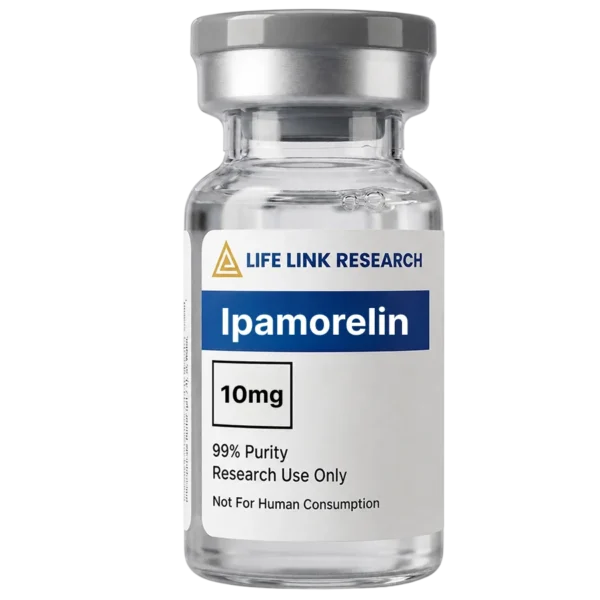
Ipamorelin 10mg is a synthetic pentapeptide research compound investigated fo...
$67.00Save 20% on 10+Janoshik COA Available
Purchase & earn 67 points.Add to cart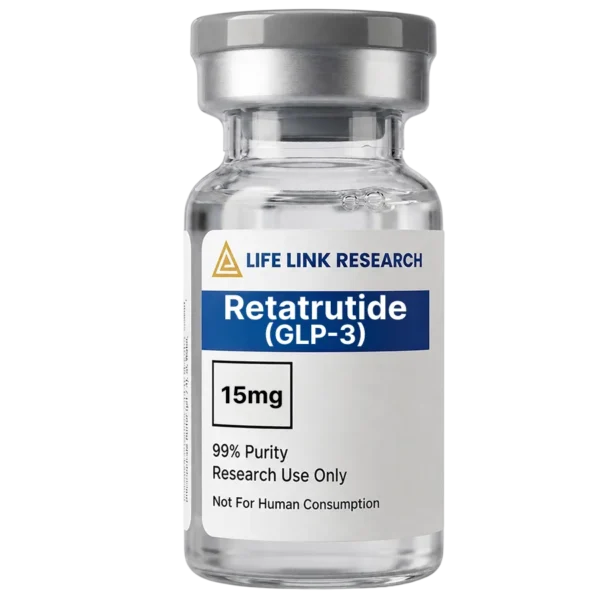
Retatrutide, a GLP-1/GIP/GCGR receptor agonist, significantly lowers blood gl...
$167.00Save 20% on 10+Janoshik COA Available
Purchase & earn 167 points.Add to cart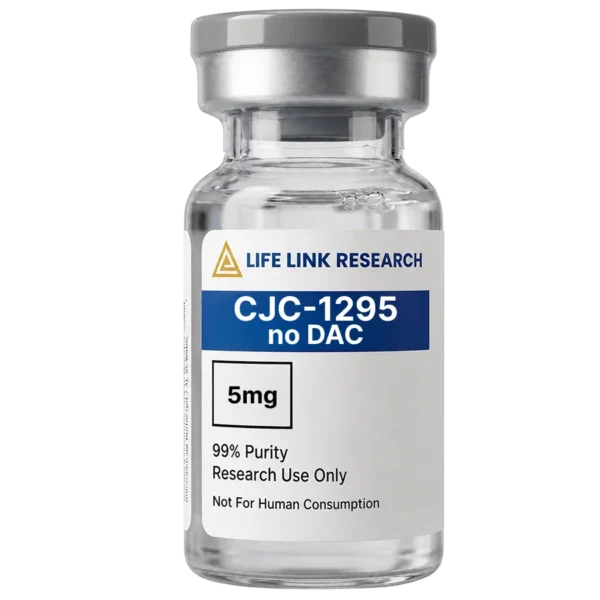
CJC-1295 no DAC 5mg (Mod GRF 1-29) — synthetic GHRH analog for licensed labor...
$38.00Save 20% on 10+Janoshik COA Available
Purchase & earn 38 points.Add to cart99%+ purity. 6-test verified. Janoshik-confirmed.
$66.00
/vial

We use cookies to enhance your experience. By continuing to use our site, you consent to our cookie policy.
By using this site, you confirm you have read our waiver and agree to all terms of our disclaimer of liability.
Products are for research and development only — not for human consumption. You confirm you are 21 or older. Statements have not been evaluated by the FDA. Continued use implies acceptance.
By clicking Accept, you agree to these terms and conditions.
ACCEPT